Your clients are counting on you to see them.
|
When it comes to race and cultural awareness, you clients need you to be comfortable talking about race & ethnicity frankly. They need to be able to know you will work to see them and their experiences from a place of cultural awareness. This workshop will help you in 3 ways:
- Remind you why you should care,
- Teach you how to listen for the coded language of race,
- Give you skill for what you can do.
Learning to listen for the clues and skillfully bringing up race are opportunities to connect meaningfully with your clients of color and provide them with the high quality of care they deserve.
Diversity and Cultural Awareness for Your Practice
October 14, 2021 9:00 am to 4:00 pm PST
Zoom link will be sent 30 minutes prior to the start of the workshop.
|
|
Read More
|
Workshop description:
Over the last few years, racial divisions have been explored more openly in the American mainstream. However, in most therapeutic relationships, clients of color are likely to not open up if their provider is of a different race. In a time when racial turmoil hits the news daily, worries about safety, belonging, inclusion, etc. are commonplace for both individuals as well as communities of color. When those worries are not expressed in therapeutic
encounters, they become the elephant in the room.
Learning to listen for the clues and skillfully bringing up race are opportunities to connect meaningfully with your clients of color and provide them with the high quality of care they deserve.
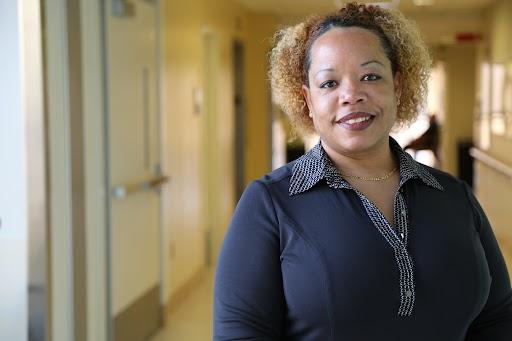
Sherronda Jamerson, SUD, MA has worked in a wide array of psychiatric and chemical dependency treatment settings for the past 15 years, from hospital-based inpatient and day treatment, to methadone and outpatient. She currently sits on Harborview Medical Center’s Equity, Diversity, and Inclusion Committee and the African American Health Board. She has experience working in community support services for clients
with mental health, substance abuse, chemical dependency, and/or co-occurring disorders using evidence-based and promising practices.
|
|
|